Eko Atlantic City (EAC), project attracted huge debate as experts
argue that it is not a popular idea and exclusively meant for
the rich. National Weekender's (a national daily newspaper in Nigeria) reporter FRANCIS OGBONNA took on all sides as he spoke to the
Commissioner for Waterfront Infrastructure Development, South Energy Nig. Ltd.(SENL)
and a human right advocate, Victoria Ibezim – Ohaeri, executive director of Spaces
for Change
The Project
Eko Atlantic City touted
severally as a “city rising from the sea” is a proposed city which will sit on
1000 hectares of land reclaimed from the Atlantic sea. Once completed, it will
be a self sufficient city with waterfront area, tree line streets, efficient
transport system, helipads, hotels, residential areas and boulevard. It will be
a development with mixed-use plots that will combine residential areas, leisure
facilities, offices and shops. It is divided into 6 phases, the first five of
which are available for commercial and residential development, while the sixth
will be used as a hub for utility service, such as sewage treatment plants,
water supply and solid waste management.


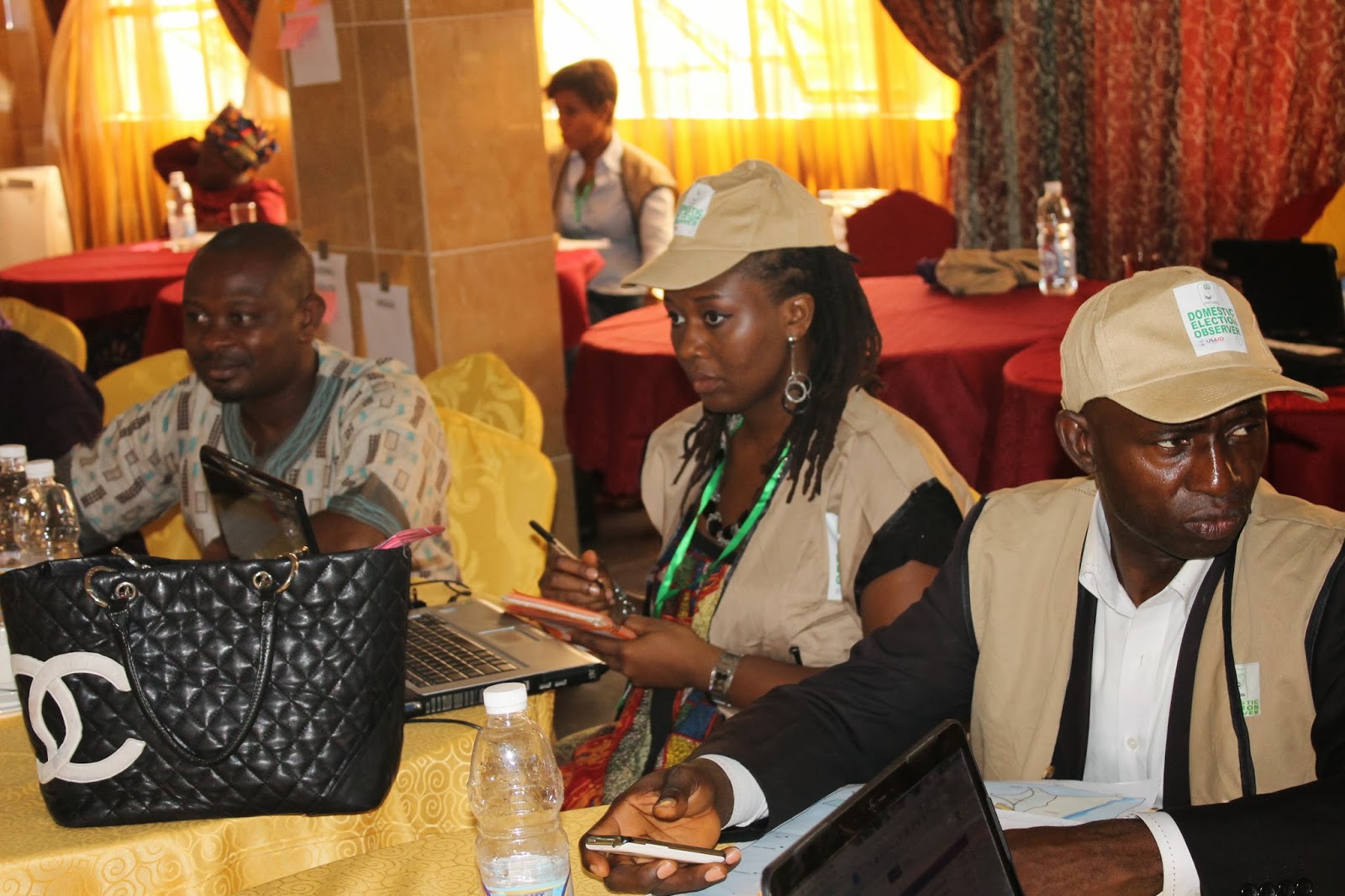
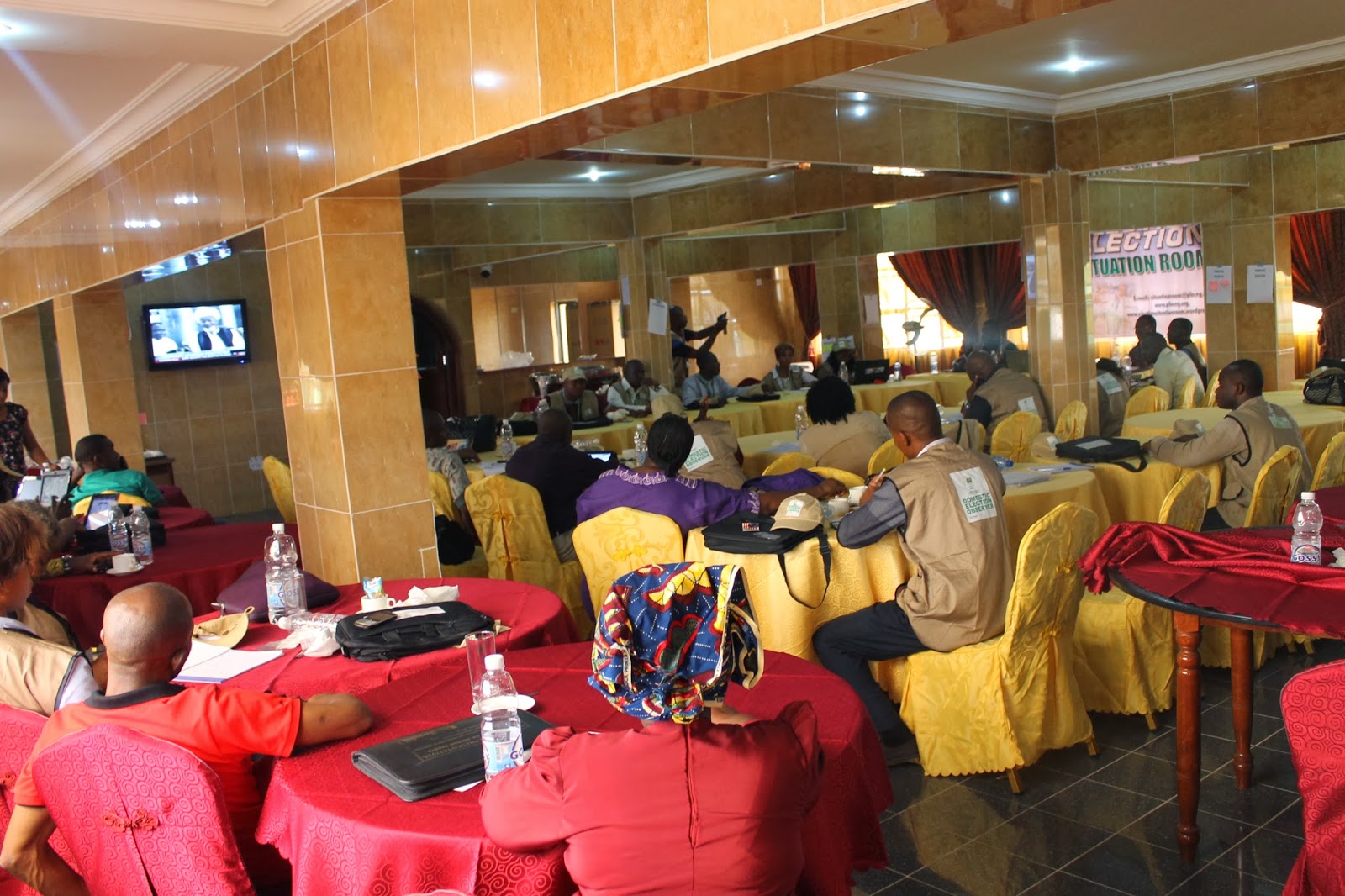


 The
Civil Society Election Situation Room convened in Awka, Anambra State to
observe the 2013 governorship election held on Saturday, November 16, 2013 in
Anambra State. The Situation Room comprises more than forty civil society
organisations who have deployed observers across the entire local government
areas of Anambra State. Observers visited polling units, observed voting and
reported back to the Situation Room on the activities and conduct of election
stakeholders, including election officials, security services and the political
parties.
The
Civil Society Election Situation Room convened in Awka, Anambra State to
observe the 2013 governorship election held on Saturday, November 16, 2013 in
Anambra State. The Situation Room comprises more than forty civil society
organisations who have deployed observers across the entire local government
areas of Anambra State. Observers visited polling units, observed voting and
reported back to the Situation Room on the activities and conduct of election
stakeholders, including election officials, security services and the political
parties. A
group of non-governmental organizations comprising of child’s rights
organizations, and women and youth groups has condemned in strong terms the
alarming and increasing rate of reported rape of children and general
atmosphere of child abuse in the country.
A
group of non-governmental organizations comprising of child’s rights
organizations, and women and youth groups has condemned in strong terms the
alarming and increasing rate of reported rape of children and general
atmosphere of child abuse in the country.
 Victoria Ibezim-Ohaeri, is the Executive
Director, Spaces for Change(S4C). Basically, S4C works to infuse human rights
into social and economic governance processes in Nigeria. She was recently
interviewed by National Weekender Newspaper on the Eko Atlantic City Project. She
revealed that it is a project that will further widen the gap between the rich
and the poor and as such, is anti-people. Here are the excerpts…
Victoria Ibezim-Ohaeri, is the Executive
Director, Spaces for Change(S4C). Basically, S4C works to infuse human rights
into social and economic governance processes in Nigeria. She was recently
interviewed by National Weekender Newspaper on the Eko Atlantic City Project. She
revealed that it is a project that will further widen the gap between the rich
and the poor and as such, is anti-people. Here are the excerpts…
![SPACES FOR CHANGE [S4C]](https://blogger.googleusercontent.com/img/b/R29vZ2xl/AVvXsEhKYqElpL53emtcZ76qeUprKLRrzSYITGwEHQoB5t0ecWyrq6mJa-f6LDcg5M50joQenZ405UhZbpf4UYunBWIBVV1npmtN5svWh5VamC6wd8YRs9Pg_VBsAm5w-sjf_pWJovv7bt4cO0U/s1600/S4C.jpg)